
⚠️ Affiliate Disclosure: BuyCycleWorld.com is a participant in the Amazon Associates Programme, an affiliate advertising programme designed to provide a means for sites to earn advertising fees by advertising and linking to Amazon.co.uk. When you click our links and make a purchase, we may earn a small commission at no extra cost to you. This helps us keep the site running and the reviews coming. We only recommend products we genuinely believe in.

The cycling cap is one of cycling’s oldest pieces of kit and has seen a strong revival in recent years. A good cap absorbs sweat before it reaches your eyes, provides wind protection at speed, and in winter adds meaningful insulation under your helmet.
Top Picks
Castelli Cycling Cap
Castelli’s cycling cap uses slim-profile elastic Lycra that fits snugly under a helmet without creating pressure points. The short peak can be worn forward for sun protection on descents or flipped up in traditional cycling style. The cap wicks sweat efficiently and dries quickly in a jersey pocket.
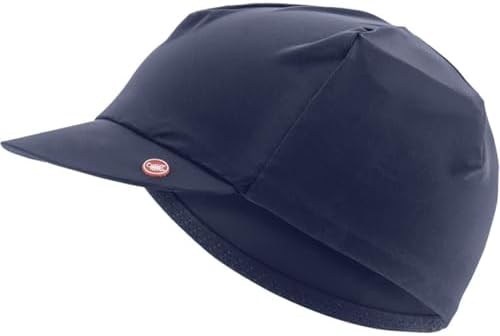
Gore Wear Classic Cycling Cap
Gore’s Classic cycling cap uses lightweight polyester-Lycra thin enough to wear comfortably under any road or MTB helmet. Available in solid colours to coordinate with team kits, providing a practical accessory for summer road cycling.
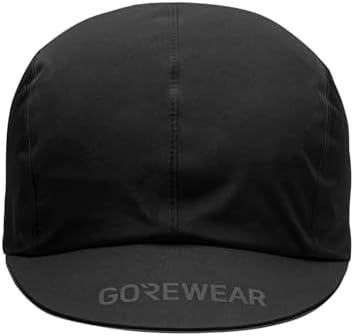
Merino Wool Cycling Cap
A Merino wool cycling cap provides meaningful warmth under a helmet in winter – enough to move the effective temperature range of your helmet down by several degrees. The natural odour resistance means the cap can be used multiple days without washing, useful on touring rides.

Endura Helium Waterproof Cap
A waterproof cycling cap is genuinely useful for UK riding. Worn under the helmet, it keeps rain off your face on showery days when a full jacket feels excessive. Endura’s Helium cap packs into a small bundle that fits easily in a jersey pocket for deployment when needed.
INBIKE Winter Thermal Cycling Cap
For budget-conscious winter riders, INBIKE provides solid insulation at a fraction of branded options. Fleece inner provides warmth to around 2 degrees, water-resistant outer handles light rain. A practical choice for commuters cycling through the coldest UK months.

Buying Guide
Consider how the cap will be used most. A summer cap should be thin, wicking and quick-drying. A winter cap should provide insulation without creating pressure points under the helmet. Keep a waterproof cap in your jersey pocket for unexpected showers.
Check that the peak is proportioned for road cycling use – cycling caps traditionally have a shorter peak than baseball caps, designed to be worn forward or flipped up as conditions and style dictate.
One-size-fits-most is common for cycling caps, but if you have a larger or smaller than average head, check the specific measurements. An oversized cap will slip forward under helmet straps.
🚴 Related Reading
Final Thoughts
A cycling cap is one of the cheapest and most useful pieces of kit you can own. Buy at least two – a summer mesh cap and a thermal winter option – and keep the waterproof one in your jersey pocket year-round.
Buying Guide
Cycling caps are traditional short-brimmed cotton or synthetic caps worn under a cycling helmet or alone for leisure riding. The brim can be worn forward (sun and rain protection) or flipped up (retro style). They provide head coverage, absorb sweat and keep rain off the face — and are one of cycling’s most enduring sartorial traditions.
| Factor | What to Look For |
|---|---|
| Material | Cotton is the traditional and most breathable choice for summer caps. Merino wool caps provide warmth for cooler conditions. Thermal and wind-resistant caps for winter riding under a helmet. Waterproof caps exist for heavy rain. |
| Brim stiffness | A firm brim holds its shape under a helmet and maintains its water-deflecting angle. Soft brims collapse under helmet pressure and become ineffective at shielding eyes. Check that the brim maintains useful stiffness when worn with your specific helmet. |
| Fit | Cycling caps have a standard, relatively universal fit that grips the head firmly. They stretch to accommodate most adult head sizes. Caps should sit with the brim across the forehead just above the eyebrows — not pushed back on the head where the brim provides no sun protection. |
| Under-helmet use | Most cycling caps are thin enough to wear under a helmet without affecting fit. Thick wool or padded caps may affect helmet retention system adjustment. Test under your specific helmet before purchasing. |
| Washing | Cotton and merino caps should be hand washed or machine washed at 30°C to prevent shrinkage. Never tumble-dry — heat shrinks most cycling caps significantly. Air dry flat to maintain shape. |