
⚠️ Affiliate Disclosure: BuyCycleWorld.com is a participant in the Amazon Associates Programme, an affiliate advertising programme designed to provide a means for sites to earn advertising fees by advertising and linking to Amazon.co.uk. When you click our links and make a purchase, we may earn a small commission at no extra cost to you. This helps us keep the site running and the reviews coming. We only recommend products we genuinely believe in.
Tyres are the single most impactful upgrade you can make to any road bike. The right tyre improves speed, comfort and grip simultaneously. For UK roads — often wet, sometimes rough and frequently covered in debris — choosing the right tyre matters more than almost any other component decision. Here are the best road bike tyres available in the UK.
Top Picks
Continental Grand Prix 5000 Road Tyre
The Grand Prix 5000 is widely regarded as the best all-round road tyre available. It combines exceptional rolling efficiency with the Black Chili compound that provides outstanding grip in wet and dry conditions alike. The Active Comfort technology absorbs road buzz from typical UK tarmac and the puncture protection is substantially better than most performance tyres. Available in 25c, 28c and 32c widths.

Pirelli P Zero Race Road Tyre
Pirelli brought their motorsport expertise to cycling tyres and the P Zero Race is the result. Rolling resistance measurements put it right alongside the GP5000 and the SmartEvo compound provides exceptional grip. The SmarTNET Silica compound is particularly effective in wet conditions, which is exactly what UK cyclists need for eight months of the year.

- The new SmartEVO² represents the latest advancement in high-performance racing bicycle tyre compound
- Results in improved overall grip, especially on wet surfaces, and a reduced rolling resistance to record level for its c…
- TechBELT is s road structure with 120 TPI, enhanced by a puncture-resistant nylon reinforcement layer beneath the tread
Schwalbe Pro One Tubeless Road Tyre
Schwalbe’s Pro One is the benchmark tubeless road tyre. Running tubeless at lower pressures transforms the ride quality on UK roads while the self-sealing capability means most punctures fix themselves mid-ride. The One Compound provides excellent grip and the rolling resistance is among the lowest available. A transformative upgrade for riders ready to go tubeless.
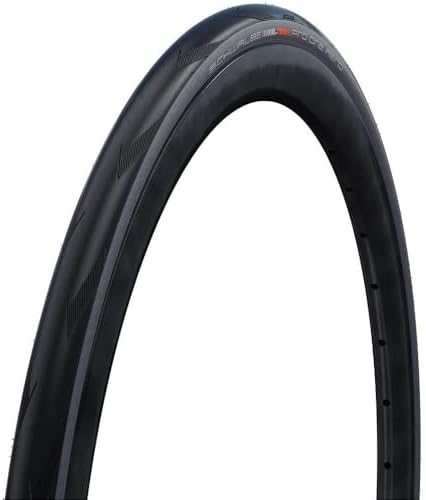
- Aerodynamics: Specially developed front wheel tyres with 20% less air resistance than Pro One TT, tested at 45 km/h with…
- Technical data: 28-622 (700 x 28C) folding tyre with 235 g weight, maximum pressure 6.5 bar, Addix Race Compound for opt…
- Rim compatibility: optimised for modern rims over 21 mm mouth width, hookless compatible, tubeless-ready (TLR)
Vittoria Corsa G2.0 Road Tyre
Vittoria has produced race tyres for the Tour de France and the Corsa G2.0 is the pinnacle of their road range. The Graphene 2.0 compound offers a genuinely different feel — more supple and more grippy than conventional compounds — and the Corsa is a favourite among cyclists who prioritise feel and feedback over pure puncture protection.
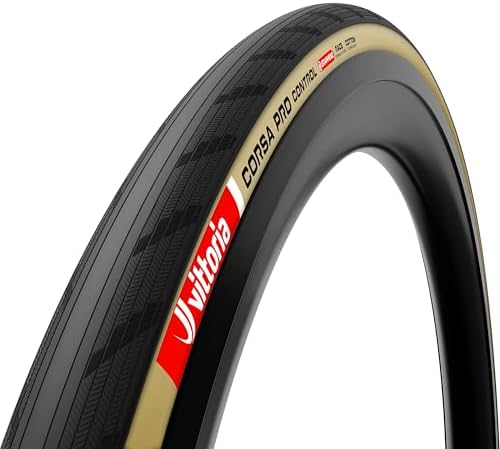
- Vittoria TYRE Vit Cor Pro Con 700x30c tlr blk/tan
Panaracer GravelKing SK Tyre
For riders using one bike across UK roads and gravel tracks, the GravelKing SK bridges the gap perfectly. The small knobs provide excellent traction on loose surfaces while rolling reasonably efficiently on tarmac. Available in 32c to 50c widths to suit road plus and gravel bikes. An outstanding choice for UK adventure cyclists who encounter mixed terrain.

Buying Guide
Tyre width has a more significant impact than most cyclists realise. Wider tyres (28c and above) run at lower pressures, absorb road vibration and often roll faster on imperfect surfaces.
Puncture protection ratings matter for UK cycling. The debris on British roads is relentless — choose tyres with at least a four-star protection rating for year-round use.
Tubeless compatibility is worth seeking out even if you run tubes initially. The option to go tubeless later without changing tyres adds long-term flexibility to your setup.
Compound matters as much as profile. Cheap tyres use hard rubber compounds that have poor grip in the wet. Quality compound tyres from Continental, Pirelli and Schwalbe use silica for better wet-weather performance.
Replace tyres before they are worn through to the carcass. A tyre with visible threads showing is a blowout waiting to happen. Inspect regularly and replace on a mileage basis rather than waiting for failure.
🚴 Related Reading
Final Thoughts
The Continental Grand Prix 5000 remains the benchmark road tyre for UK conditions and it is not a close race. The Schwalbe Pro One is the better choice if you are going tubeless. Either way, upgrading tyres is the fastest free speed available to most cyclists.
Buying Guide
Road bike tyres for UK conditions must balance low rolling resistance on smooth tarmac with puncture protection against the flints, glass and road debris prevalent on British roads, plus adequate wet-weather grip for the frequent rain and cold conditions encountered from October to April. The best UK road tyres achieve this balance across a range of widths from 25c to 32c, with tubeless options increasingly preferred for their puncture-sealing capability and improved ride quality.
| Factor | What to Look For |
|---|---|
| Puncture Protection Rating | UK roads — particularly rural B-roads and urban gutter riding lines — deposit a continuous supply of flint chips, glass fragments and hawthorn thorns that challenge any road tyre. Look for tyres with a dedicated puncture protection belt under the tread: Continental’s Vectran Breaker, Michelin’s Protek belt and Vittoria’s full-length graphene protection layer are benchmark examples. A tyre with no protection belt may roll faster in dry conditions but will deliver constant punctures on UK roads. |
| Tread Compound and Wet Grip | The contact patch between a road tyre and wet UK tarmac is the critical safety factor on descents and in corners. Silica-enriched compounds (used in Continental GP5000, Michelin Power GP and Pirelli P Zero Race) maintain grip at temperatures below 10 degrees Celsius where harder rubber compounds lose suppleness. Dual-compound designs with a softer centre rib for low rolling resistance and harder shoulder strips for cornering durability provide the best all-round performance. |
| Width | The optimum tyre width for UK road riding has shifted from 23c to 25c to 28c over the past decade as aerodynamic and rolling resistance research has demonstrated that wider tyres at lower pressures roll faster and grip better on imperfect surfaces. For UK roads specifically, 28c offers an excellent compromise for year-round riding; 32c is increasingly popular on endurance and gravel-focused road bikes, particularly on rougher B-roads and winter routes. |
| Tubeless Compatibility | Tubeless road tyres allow pressures 10 to 15 psi lower than clinchers at equivalent load support, reducing rolling resistance on rough UK surfaces and dramatically cutting puncture rates. Continental GP5000 S TR, Michelin Power Cup TLR and Pirelli P Zero Race 4S TLR are the leading UK-market tubeless road options. Confirm your rims are tubeless-ready before selecting a tubeless tyre — not all road wheels support tubeless conversion. |
| Durability and Value | Tyre longevity matters significantly in the UK, where year-round riding through winter salt and wet roads degrades rubber faster than in drier European climates. Continental GP5000 and Michelin Pro4 Service Course consistently deliver 3,000 to 5,000 miles of rear tyre life for club-pace riders. Premium competition tyres (Vittoria Corsa Speed, Continental GP5000 TT) sacrifice durability for minimal rolling resistance and are not suited to everyday UK training. |