
⚠️ Affiliate Disclosure: BuyCycleWorld.com is a participant in the Amazon Associates Programme, an affiliate advertising programme designed to provide a means for sites to earn advertising fees by advertising and linking to Amazon.co.uk. When you click our links and make a purchase, we may earn a small commission at no extra cost to you. This helps us keep the site running and the reviews coming. We only recommend products we genuinely believe in.

British mountain bike trails are wet, rooty, muddy and often technical. The tyres you choose determine whether you are scrubbing through corners with confidence or washing out on every wet root. Here are the best mountain bike tyres for UK trail conditions, from everyday all-mountain rubber to dedicated wet-weather mud tyres.
Top Picks
Maxxis Minion DHF Front MTB Tyre
The Minion DHF is the most popular front MTB tyre in the world for good reason. The aggressive shoulder knobs provide outstanding cornering grip even on wet UK roots and the ramped centre knobs roll efficiently on the flat sections between technical features. Available in 2.3, 2.5 and 2.6-inch widths with Maxxis EXO+ puncture protection and 3C compound options.

Maxxis Aggressor Rear MTB Tyre
The Aggressor is the natural companion to the Minion DHF at the rear. The closely spaced shoulder knobs provide excellent traction on hard-pack and intermediate UK trails while the low-profile centre knobs reduce rolling resistance. The combination of DHF front and Aggressor rear has become one of the most common trail bike tyre pairings at every level of mountain biking.

- 120 TPI carcass for exceptional flexibility and performance
- EXO protection (reinforced sidewall against tears) and Tubeless Ready mounting for weight saving and tubeless mounting p…
- Flexible Rod
Schwalbe Magic Mary Front Tyre
When UK trails are at their most treacherous — wet, muddy and technical — the Schwalbe Magic Mary provides confidence-inspiring grip where other tyres give up. The widely spaced, angular knobs cut through to firm ground beneath the mud and the self-cleaning tread clears between impacts. A definitive autumn and winter front tyre for technical UK riding.
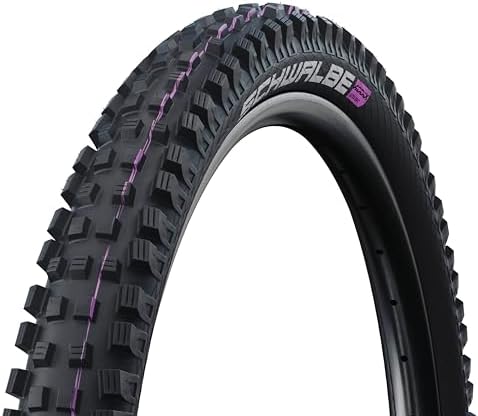
- The undisputed first choice of all Schwalbe downhill and enduro athletes. Perfect all-round properties for almost all ro…
- Strong shoulder lugs and an aggressive, open profile design ensure maximum braking traction and optimum cornering grip
- V-Groves developed for Magic Mary, each individual stud has even more teeth on the ground for even more grip
Continental Trail King MTB Tyre
The Continental Trail King is a versatile all-mountain tyre that performs consistently well across the varied conditions UK trails present. The open, blocky tread pattern sheds mud effectively and provides excellent grip in both dry and damp conditions. The ProTection puncture belt adds meaningful flat resistance — important on rocky UK trails littered with sharp flint.
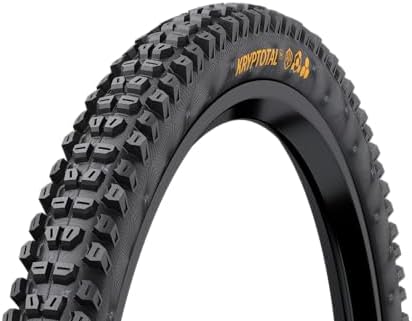
- The cryptotal rear tire is optimized for the rear wheel; this all-round tire compensates for grip stability, traction fo…
- The carcass construction is robust and resistant to damage and foreign body penetration, resulting in versatile results,…
- Endurance Compound features durable construction combined with good rolling resistance and adhesion; an excellent choice…
WTB Verdict Tough Fast Casing MTB Tyre
WTB tyres have built a strong following among enduro and trail riders who want a different feel from the Maxxis dominance. The Verdict is a gnarly front tyre with widely spaced, aggressive knobs that provide excellent grip in loose and wet conditions. The Tough Fast Casing adds sidewall durability without the weight penalty of a downhill casing.

Buying Guide
Run different compounds front and rear. A softer compound at the front for grip and a harder compound at the rear for durability and lower rolling resistance is the standard setup for UK trail riding.
Casing matters as much as compound. Light casing tyres are fast but fragile — for UK rocky and rooty trails, a reinforced EXO or double-ply casing prevents sidewall cuts that end rides.
Width choice depends on your rim. Most modern trail bikes run 2.4 to 2.6-inch tyres on 30 to 35mm internal width rims. Check your frame and fork clearances before upsizing.
Go tubeless from the start if possible. MTB tubeless is more mature than road tubeless and the ability to run sub-20 PSI on UK trails transforms grip and comfort.
Check conditions before reaching for a mud tyre. Mud tyres like the Magic Mary are devastating in their conditions but dangerously slow and unstable on hard-pack. Have two tyre sets if budget allows.
🚴 Related Reading
Final Thoughts
For UK trail riding, the Maxxis DHF and Aggressor combination covers most conditions admirably. Add a Schwalbe Magic Mary for dedicated wet and muddy sessions and you are equipped for anything British weather throws at you.
Buying Guide
Mountain bike tyres for UK trail conditions must handle a unique mix of slippery wet roots, soft leaf-mulch, clay soil, loose gravel and exposed limestone that characterises riding in forests such as Dalby, Kielder and Grizedale, as well as moorland trails in the Peak District and Welsh mountains. The best UK MTB tyres prioritise mud-clearing capability and wet grip through knob spacing, compound choice and casing construction, without sacrificing excessive rolling speed on the dry hardpack sections that follow a dry spell.
| Factor | What to Look For |
|---|---|
| Knob Pattern and Mud Clearance | UK trail mud ranges from the thin, liquid consistency of a wet chalk downland to the thick, clinging clay of a Midlands bridleway in December. Widely spaced, tall knobs in the 4 to 6mm range shed mud more effectively than closely packed tread. Maxxis Minion DHF, Schwalbe Magic Mary and Continental Der Kaiser Projekt are designed specifically for the kind of sustained muddy conditions common on British trail centres between October and March. |
| Rubber Compound | Soft rubber compounds (Maxxis 3C MaxxGrip, Schwalbe Ultra Soft, Continental BlackChili) grip wet roots and rock faces at low temperatures but wear faster on dry hardpack. A dual-compound design — softer side knobs for cornering, harder centre tread for rolling durability — is the most practical compromise for UK conditions where a single trail often transitions between mud, roots and hardpack within a few hundred metres. Compound choice matters significantly below 8 degrees Celsius when harder rubbers lose a measurable proportion of their grip. |
| Casing Construction | Casing weight and robustness affect both puncture resistance and ride feel. Single-ply lightweight casings (Maxxis Exo, Schwalbe Snakeskin) save 100 to 150g per tyre but offer less sidewall protection against the sharp slate and sandstone edges common on UK moorland trails. Double-ply or reinforced casings (Maxxis DH, Schwalbe Super Gravity) add weight but significantly reduce pinch flats and sidewall tears — a worthwhile trade for technical enduro or DH riding on rocky UK trails. |
| Width and Volume | Wider tyres at lower pressure absorb trail chatter and maintain a larger contact patch on loose UK surfaces. A 2.4-inch to 2.6-inch front tyre paired with a 2.25-inch to 2.4-inch rear is the most popular UK trail combination. Running wide tyres requires confirming your frame and fork clearances — many older hardtails are limited to 2.25 inches at the rear. E-MTBs increasingly specify 2.6-inch tyres to suit the additional mass and speed. |
| Tubeless Readiness | Tubeless is effectively the standard for UK trail MTB riding. The ability to run 18 to 25 psi instead of 28 to 35 psi dramatically improves grip on UK roots and mud. Maxxis EXO+ TR, Schwalbe tubeless Easy and WTB TCS tyres are trail-ready tubeless options that seat reliably using a track pump booster. Ensure you carry a plug kit and a spare tube for emergencies — plug kits seal most punctures tubeless systems cannot handle, and a tube is the last resort. |