
⚠️ Affiliate Disclosure: BuyCycleWorld.com is a participant in the Amazon Associates Programme, an affiliate advertising programme designed to provide a means for sites to earn advertising fees by advertising and linking to Amazon.co.uk. When you click our links and make a purchase, we may earn a small commission at no extra cost to you. This helps us keep the site running and the reviews coming. We only recommend products we genuinely believe in.

Handlebars are your primary point of contact with the bike and the shape, width and reach directly affect comfort, control and power output. Whether you are fitting a new bike or upgrading existing bars, the right handlebars make a significant difference. Here are the best road bike handlebars available in the UK.
Top Picks
Deda Elementi Zero 100 Aluminium Handlebars
Deda produces some of the best handlebars in the industry and the Zero 100 is their benchmark aluminium option. The compact drop geometry suits most road cyclists and the ergonomic shaping in the drop provides a comfortable second riding position on long climbs. Available in multiple widths from 40 to 46cm. Outstanding value for the quality on offer.
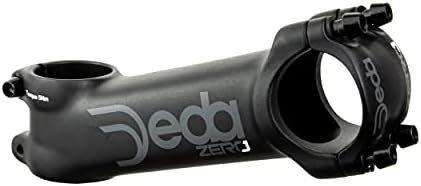
- High-quality product. Ideal for your bike
- Included components: 1x Stem
- Weight: 145g (110mm)
Zipp Service Course 70 XPLR Drop Handlebar
Zipp’s Service Course XPLR is designed for the growing number of riders using drop bars on gravel and adventure bikes. The flared drop increases control on loose surfaces and the ergonomic shaping suits long days in the saddle. Available in multiple widths and the aluminium construction keeps costs reasonable while maintaining excellent stiffness.

- Bar drops provide a wider, balanced, and secure position with drops that are about 6cm wider than the hoods position for…
- The 70 XPLR also features an ergonomic top with an extended 100mm clamping area for computer mounts, aero-extensions, ba…
- Width Measurement: Center
Ritchey WCS Butano Flared Handlebar
Ritchey has produced handlebars for professional cyclists for decades and the Butano flared design is their gravel-specific offering. The tops are ergonomically shaped for comfortable long-distance grip and the flared drops provide the additional control that gravel and rough road riding demands. Built from high-quality aluminium alloy with a reliable finish.

- VERSATILE DESIGN: Named for multi-use trails, featuring compact bend shape and ergonomic top section perfect for mixed-t…
- PRECISE MEASUREMENTS: 118mm drop and 73mm reach with 12-degree drop flare and 3-degree flare out for optimal hand positi…
- PREMIUM CONSTRUCTION: Crafted from double-butted 6061 alloy with high-polish silver finish for durability and classic ae…
PRO Vibe 7S Aero Handlebar
For road cyclists focused on aerodynamics, the PRO Vibe 7S brings aero bar shaping without the cost of carbon. The flat top section creates a more aerodynamic silhouette in the hoods position and the alloy construction keeps weight reasonable. Compatible with standard 31.8mm stems and all major brake and groupset lever clamps.

- PRO VIBE Aero Handlebar, Alloy, 31.8mm, Compact, 42cm
Specialized Hover Bar Expert
Specialized designed the Hover Bar for endurance and sportive riding where comfort over many hours is the priority. The ergo shaping provides excellent hand positions in the hoods and a comfortable flat section on long climbs. The alloy construction provides good vibration damping on UK road surfaces without the premium price of carbon alternatives.

- 【High quality】This bicycle mirror for handlebars is made of high-definition automotive grade convex glass, providing a l…
- 【Adjustable connecting rod】The RBRL bicycle mirror design has a 360 ° rotation adjustment function, so your line of sigh…
- 【Anti drop design】The bicycle side view mirror has a patented rotating structure with a rotating shaft that can rotate i…
Buying Guide
Bar width should roughly match your shoulder width. Most road cyclists ride 40 to 44cm bars measured centre to centre. Too wide causes shoulder strain; too narrow restricts breathing.
Drop depth and reach affect your descending position. A shallower drop suits riders who struggle to maintain control when descending, while a deeper drop provides a more aerodynamic position.
Flared drops add control on gravel and rough surfaces by widening the hand position in the drops. Even a small 8 to 10 degree flare makes a noticeable difference on technical terrain.
Clamp diameter must match your stem. Most modern road bars use a 31.8mm clamp. Some older bikes use 26.0mm or 25.4mm — check before purchasing.
Carbon bars save weight and dampen vibration but require a torque wrench and careful handling. Aluminium bars are more forgiving and perfectly adequate for the vast majority of cyclists.
🚴 Related Reading
Final Thoughts
Handlebars are a worthwhile upgrade that affects comfort, control and efficiency every single ride. Start by measuring your shoulder width and current bar width, then choose the shape that matches your riding style — compact and aerodynamic for fast road riding, or flared and relaxed for gravel and endurance.
Buying Guide
Road bike handlebars define the rider’s position, comfort and aerodynamics, connecting the cyclist to the front end of the bike through every bump, corner and long descent. The right handlebar width, drop, reach and flare angle directly affects shoulder tension, breathing capacity and control — particularly relevant for UK riders navigating narrow country lanes, technical descents and variable headwinds on open moorland routes.
| Factor | What to Look For |
|---|---|
| Width | Handlebar width should match shoulder width at the AC joint. The traditional measure of shoulder width in centimetres equals handlebar width in centimetres (44cm shoulders = 44cm bars). Wider bars improve breathing capacity and stability on descents; narrower bars reduce aerodynamic drag and suit riders with narrow shoulders or aggressive racing positions. For UK endurance riding, erring 2cm wider than the minimum provides better comfort and control on rough tarmac without significant aero penalty. |
| Drop and Reach | Drop is the vertical distance from the top of the bar to the deepest point of the hooks; reach is the horizontal distance from the centre of the bar to the centre of the hook drop. A short reach (70 to 75mm) and shallow drop (120 to 125mm) suits riders with limited flexibility or endurance-focused positions. Competitive riders with good flexibility and an aggressive position can use longer reach (80 to 85mm) and greater drop (130 to 145mm). UK sportive riders generally benefit from compact-geometry bars (70-75mm reach, 123-128mm drop) for sustained comfort over a 100-mile ride. |
| Flare Angle | Flared drop handlebars angle the hooks outward relative to the tops, providing a more stable braking position and improved confidence on rough descents — characteristics that are particularly valued by UK cyclists on exposed gravel sections and technical descents on lanes covered in wet autumn leaves. Traditional road bars have 0 to 4 degrees of flare; gravel-influenced designs offer 12 to 20 degrees. For mixed-surface UK riding, a moderate 6 to 12-degree flare is increasingly popular. |
| Material | Aluminium handlebars (3D-forged 6061 or 7075 aluminium) are durable, repairable and cost £20 to £80. Carbon handlebar-stem combos save 150 to 300g but cannot be repaired after crash damage and must be replaced if any cracks are found — a significant consideration given the cost, which ranges from £80 to £400. Carbon also reduces road vibration transmission, which is a genuine benefit on rough UK B-roads. |
| Bar Tape Suitability | The handlebar’s outer diameter at the drops and hoods should be compatible with your preferred bar tape width and thickness. Most modern road handlebars use a 31.8mm central clamp and 23mm to 25mm drop section. Double-wrapping with thicker EVA tape adds comfort on long UK rides; thinner cork or synthetic tapes suit riders prioritising feel and weight. Check that the bar’s cable routing system (internal or external) is compatible with your groupset’s cable or hose requirements. |