
⚠️ Affiliate Disclosure: BuyCycleWorld.com is a participant in the Amazon Associates Programme, an affiliate advertising programme designed to provide a means for sites to earn advertising fees by advertising and linking to Amazon.co.uk. When you click our links and make a purchase, we may earn a small commission at no extra cost to you. This helps us keep the site running and the reviews coming. We only recommend products we genuinely believe in.

Getting your bike to the trailhead, coast path or sportive start without having to ride for an hour on busy roads requires a good car bike rack. Whether you need to carry one bike or four, tow bar-mounted or roof-mounted, here are the best bike racks for cars available in the UK.
Top Picks
Thule VeloCompact 927 Tow Ball Bike Rack
Thule is the definitive name in car bike racks and the VeloCompact 927 is their flagship tow ball-mounted option. The tilting function lets you open the boot without removing bikes — a genuinely useful feature that saves enormous hassle during rest stops. Holds up to four bikes, folds flat when not in use and the anti-theft locks secure both bikes and rack to the vehicle.

- Thule 972 Cycle Carrier & 3ft Trailer Lighting Board
- Holds 3 Bikes | Max Load Capacity 45kg
- Fits all Tow bars Swan Neck-Detachable & STD Flange – Fits Directly on to the Tow Ball
Thule FreeRide 532 Roof Mounted Bike Carrier
For cars without a tow bar, a roof-mounted carrier is the clean solution. The FreeRide 532 from Thule clamps the bike by the wheel and fork, which means it works with unusual frame shapes including step-through and e-bike frames. The integrated lock and adjustable wheel holder accommodate tyre widths from 1.75 to 4.5 inches.
Saris Bones 2-Bike Boot Rack
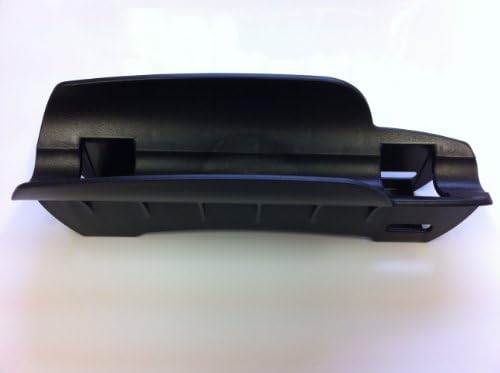
The Saris Bones is one of the most popular boot (trunk) racks available and with good reason. The injection-moulded arms flex to fit a huge range of vehicle shapes and the rubber contacts protect paintwork. The ratchet straps hold bikes securely and the anti-sway cradles prevent bikes from touching each other in transit. A versatile solution for most vehicles.

Halfords 4-Bike Towball Carrier
Halfords offers a capable and affordable towball carrier that handles most family cycling requirements. The tilting function allows boot access and the ratchet straps are easy to use even when loading bikes alone. Build quality is below the Thule standard but adequate for occasional use and the price is significantly lower.

- Compact design, folds up to save space, and universal towball mounting bike carrier suitible for 4 bikes
- Universal Fit: Compatible with all European tow balls and supports up to 4 bikes with a total maximum load of 60 kg
- Secure & Lockable: Features locking mechanisms for both the bikes and the carrier itself, ensuring safety during transpo…
Yakima DrainGutter 2 Platform Rack
Yakima produces excellent platform-style tow ball racks that carry bikes by the wheels rather than the frame. The platform design eliminates any risk of frame damage and works with virtually any bike including e-bikes and fat bikes. The tilt function is easy to operate and the security locks provide peace of mind at service stations and trail car parks.
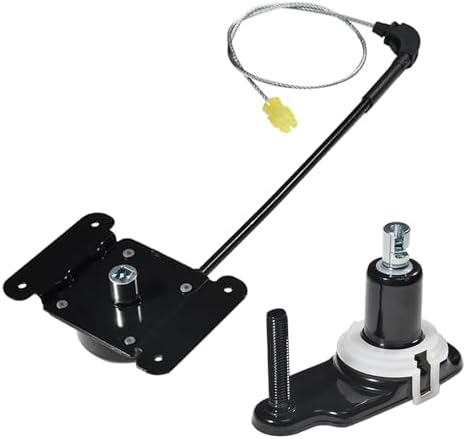
- Fitment Vehicles: Compatible with Ford Transit Mk8 2014+ ONWARDS / Transit Custom 2012+ ONWARDS
- OEM Number: 1898025 , 2376789 , BK211K353AC , BK21-1K353-AC , 1763880 , BK21-1402-AA
- Package Includes:1x spare wheel carrier winch, 1x spare wheel mounting plate
Buying Guide
Check your vehicle tow bar specification before buying a tow ball rack. Standard 50mm ball hitches are common but some vehicles have 7-pin or 13-pin electrics that affect indicator compatibility.
Weight limits are critical. Electric bikes can weigh 25kg or more. Check both the rack weight limit and your tow ball weight limit (usually 50-75kg) before loading heavy bikes.
Tilting function is worth the extra cost. The ability to open the boot with bikes loaded saves enormous time and hassle. Without it, you must unload bikes every time you need boot access.
Security should not be an afterthought. Car park theft of bikes from racks is a real risk. Choose a rack with locks that secure both the bikes and the rack-to-car connection.
Boot racks offer flexibility if you do not have a tow bar, but they depend on your car body shape. Check that the rack fits your specific vehicle before purchasing — most manufacturers have a fit checker tool.
🚴 Related Reading
Final Thoughts
Thule racks are the clear recommendation for frequent users — the build quality and tilting function justify the premium. For occasional use, the Halfords towball carrier and Saris Bones offer excellent value and handle most family cycling transport needs without drama.
Buying Guide
A car bike rack is a mounting system that transports bicycles on a vehicle, either on the roof, tow ball or boot. For UK cyclists driving to trail centres, sportive starts or cycling holidays, a reliable bike rack eliminates the hassle of removing wheels or disassembling bikes for transport, protecting both the vehicle and the bicycles during transit on UK motorways and rural lanes.
| Factor | What to Look For |
|---|---|
| Mounting Type | Tow ball racks (platform or hanging) are the most popular in the UK as they are simple to fit, do not affect vehicle height and keep bikes at a manageable loading height. Roof racks are aerodynamically penalising (adding 20 to 40% fuel consumption at motorway speed) and make bikes vulnerable to car park height barriers — a genuine risk given the average UK multi-storey barrier height of 1.9 to 2.1 metres. Boot-mount strap racks are budget-friendly but can scratch paintwork and have lower weight limits. |
| Bike Capacity and Load Rating | Two-bike tow ball platforms suit most UK families; four-bike versions require a Type 50 or equivalent tow ball rated for the increased nose weight (typically 50 to 75kg for four bikes). Confirm the rack’s nose weight does not exceed your vehicle’s tow ball rating — this information is in the vehicle handbook. Heavy e-bikes (25 to 30kg each) require racks explicitly rated for e-bike use; standard racks rated for 15kg per bike are inadequate. |
| Bike Security | Integral wheel straps, frame-securing arms with locks, and a lockable rack-to-tow ball connection are essential for UK use, where opportunistic bike theft from parked vehicles is documented. Quality racks (Thule EasyFold XT, Yakima HoldUp Evo) include a key-locking mechanism on the tow ball coupling and cable locks for each bike. Relying on strap tension alone to secure expensive bikes at a motorway service station is not sufficient. |
| Ease of Loading | Tilting rack platforms that fold down to allow access to the boot without removing bikes are a practical advantage for daily use. A maximum loading height below 1 metre makes loading heavy e-bikes feasible for all riders; racks requiring bikes to be lifted above shoulder height are impractical for older riders or those with upper body limitations. Wheel channel guides that self-centre the bike during loading speed up the process significantly. |
| Compatibility and Thru-Axle Support | Modern bikes with thru-axles, disc brakes and non-standard frame profiles (deep aero sections, women’s step-through frames, cargo bikes) do not fit all rack designs. Platform racks that support bikes by the wheels rather than a frame clamp accommodate virtually all modern bike types including e-bikes and cargo bikes. Confirm the rack supports your specific axle standard (QR, 12x100mm, 12x142mm, 15x100mm) before purchasing. |