
⚠️ Affiliate Disclosure: BuyCycleWorld.com is a participant in the Amazon Associates Programme, an affiliate advertising programme designed to provide a means for sites to earn advertising fees by advertising and linking to Amazon.co.uk. When you click our links and make a purchase, we may earn a small commission at no extra cost to you. This helps us keep the site running and the reviews coming. We only recommend products we genuinely believe in.

Fuelling your ride correctly is one of the most underrated aspects of cycling performance. Whether you are grinding out a two-hour commute, smashing a sportive or racing a century, the right nutrition keeps your power output consistent and prevents the dreaded bonk. Here are the best cycling nutrition products and energy gels available in the UK.
Top Picks
SiS GO Isotonic Energy Gel
Science in Sport (SiS) pioneered the isotonic gel format and the GO Isotonic Gel remains one of the most popular cycling fuels in the UK. No water needed — the gel is pre-mixed at the right concentration to be absorbed quickly without stomach issues. Each gel provides 22g of carbohydrate and the range of flavours includes options to suit most palates, including caffeine variants for the last hour of hard efforts.

Maurten Gel 100 Energy Gel
Maurten has become the nutrition choice of elite endurance athletes including Tour de France winners. The hydrogel technology encapsulates carbohydrates in a way that minimises GI distress even at high intensities. The gels are unflavoured, which many athletes prefer after hours of sweet flavours. Expensive but genuinely effective at the highest intensities when performance matters most.
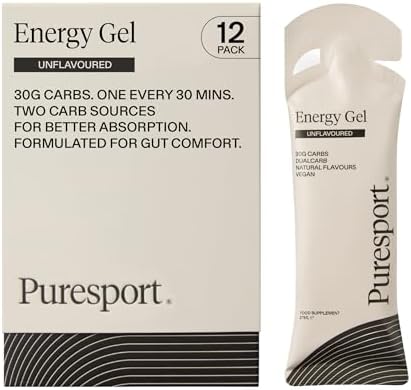
- 𝗙𝗨𝗘𝗟𝗟𝗜𝗡𝗚 𝗠𝗔𝗗𝗘 𝗦𝗜𝗠𝗣𝗟𝗘: Consistent fuelling is essential for endurance, performance, and recovery. During runs over 60 min…
- 𝗪𝗛𝗬 𝗪𝗘 𝗠𝗔𝗗𝗘 𝗧𝗛𝗜𝗦 𝗣𝗥𝗢𝗗𝗨𝗖𝗧: During sessions over 60 minutes, your body burns through stored carbohydrates, leading to fati…
- 𝗪𝗛𝗢 𝗜𝗦 𝗧𝗛𝗜𝗦 𝗙𝗢𝗥: For runners and endurance athletes who want simple, effective fuelling without the jargon. From 10K tra…
High5 Energy Bar Variety Pack
High5 produces a range of cycling nutrition products and their energy bars are a staple for UK cyclists. Real food texture makes them more palatable than gels during low-intensity periods and the 40g of carbohydrate per bar provides substantial fuel. The variety pack lets you identify your preferred flavours before committing to larger quantities. A practical choice for long sportives and touring rides.

- BOOST YOUR PERFORMANCE: Getbuzzing protein bars are the ultimate snack to take your overall performance to the next leve…
- PACKED WITH PROTEIN: Our Getbuzzing gluten free protein food bars are guaranteed to provide a healthy combination of nec…
- NATURAL INGREDIENTS: These bars are made with 100% natural ingredients to give the purest and most efficient form of ene…
Precision Hydration PH 1000 Electrolyte Tablets
Precision Hydration was founded by a sports scientist who studied sweat sodium rates and their products reflect this expertise. The PH 1000 tablets provide the right sodium concentration for moderate-to-high sweat rates and dissolve quickly in water bottles. Proper hydration with electrolytes prevents the cramping and cognitive decline that can derail long rides.
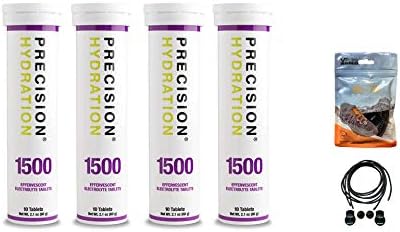
- Bundle containing 4 tubes of PH 1500 effervescent electrolyte tablets and an exclusive pack of VPoint Leisure elastic no…
- START & STAY HYDRATED: The 1500 tube is designed to help you start hydrated, stay that way and aid recovery. It’s typica…
- SAFE & CLEAN: PH is independently tested for a wide range of prohibited substances on the World Anti-Doping Agency list …
Veloforte Natural Energy Bars
Veloforte makes genuinely tasty cycling nutrition using real food ingredients rather than synthetic flavours. The bars use dates, fruit and nuts to provide sustained carbohydrate energy without the processed taste of many alternatives. UK-made and popular with cyclists who want nutrition that feels like food rather than medicine. An excellent choice for long, low-to-moderate intensity rides.

- Packed with the finest natural ingredients with no preservatives and additives. The most powerful energy bars available …
- Plucked straight from the forest crammed full of red berries, almonds, pistachios & rosemary, it is made from the most d…
- 100% Natural, with no preservatives or synthetics, made from real food making them easily digestible & help to avoid blo…
Buying Guide
The 60-gram carbohydrate per hour rule applies to moderate efforts. Hard efforts can utilise up to 90g per hour but require a mix of glucose and fructose sources for optimal absorption.
Train your gut as well as your legs. Consuming nutrition at race intensity takes practice. Train with the products you plan to use in events — introducing new foods on race day is a recipe for GI problems.
Start fuelling from the first 30 minutes of a ride, not when you feel hungry. Hunger is a late signal. Proactive fuelling maintains performance; reactive fuelling always feels like catching up.
Hydration and nutrition are linked. Electrolyte solutions help maintain sodium balance during prolonged sweating. Plain water is adequate for rides under an hour; electrolytes matter increasingly as duration increases.
Real food works well for long, low-intensity touring days. Save high-tech gels for high-intensity efforts when digestion is compromised. Sandwiches, bananas and flapjack serve touring cyclists very well.
🚴 Related Reading
Final Thoughts
SiS and High5 are the most widely available and best value cycling nutrition brands in the UK. For elite performance situations, Maurten gels offer something genuinely different. Experiment with different products on training rides to find what your stomach tolerates and what your palate enjoys.
Buying Guide
Cycling nutrition products — energy gels, chews, bars and drinks — provide rapidly digestible carbohydrates to fuel sustained aerobic exercise above the two-hour mark, where endogenous glycogen stores become depleted and performance declines without exogenous carbohydrate intake. Choosing the right products for the intensity, duration and UK conditions of your riding determines whether you finish a sportive or tour stage strongly or experience the debilitating fatigue known as bonking.
| Factor | What to Look For |
|---|---|
| Carbohydrate Type and Ratio | Modern sports nutrition research demonstrates that a 2:1 glucose-to-fructose ratio maximises carbohydrate absorption from the gut to approximately 90 grams per hour (versus 60 grams per hour for glucose alone). Look for products listing maltodextrin alongside fructose in the ingredients. Maurten, SiS Beta Fuel and Precision Fuel and Hydration all use dual-source carbohydrate formulas; standard single-source glucose gels max out at 60g per hour regardless of consumption volume. |
| Gut Tolerance | Gastrointestinal distress — cramping, bloating, nausea — is the primary reason cyclists abandon gels during events. High-osmolality gels (concentrated, thick) draw water into the gut from the body, which increases GI distress at high intensities. Isotonic gels (SiS GO Isotonic) are formulated to be ingested without water; hypotonic gels require water to dilute them. For UK sportive riders pushing threshold effort on long climbs, isotonic or low-osmolality formulas significantly reduce GI issues compared to traditional high-concentration gels. |
| Caffeine Content | Caffeine is the most evidence-supported legal ergogenic aid in cycling, improving endurance performance by 2 to 4% at doses of 3 to 6mg per kilogram of body weight. Caffeinated gels (50 to 75mg per gel) are most effective after two to three hours of riding when natural alertness declines. Avoid caffeine in the final 60 to 90 minutes of a training ride if sleep quality is important; avoid excessive caffeine (over 400mg total) as it increases GI distress and heart palpitation risk at high effort. |
| Electrolyte Content | UK summer cycling produces significant sodium loss through sweat — typically 500 to 1,500mg sodium per litre of sweat. Gels and nutrition products with added sodium (80 to 200mg per serving), potassium and magnesium replace electrolytes lost during prolonged UK summer rides and prevent the hyponatraemia risk that accompanies drinking large volumes of plain water without electrolyte replacement. Precision Fuel and Hydration’s approach of separating fuelling and hydration products is scientifically validated and practical for UK event riding. |
| Taste and Palatability | Flavour preference matters more than any other product feature for consistent intake during a five-hour UK sportive — a gel that makes you gag after three hours will not be consumed, regardless of its formulation superiority. Test products in training at the intensity of the target event before relying on them. Most UK sports nutrition brands offer variety packs (SiS, Maurten, High5) that allow flavour testing at low cost. At high intensities, sweeter or very rich flavours often become unpalatable; lighter citrus or neutral flavours tend to remain acceptable across the full duration of a long ride. |