
⚠️ Affiliate Disclosure: BuyCycleWorld.com is a participant in the Amazon Associates Programme, an affiliate advertising programme designed to provide a means for sites to earn advertising fees by advertising and linking to Amazon.co.uk. When you click our links and make a purchase, we may earn a small commission at no extra cost to you. This helps us keep the site running and the reviews coming. We only recommend products we genuinely believe in.

UK winter makes outdoor cycling challenging and indoor training has evolved from a grudge activity into an enjoyable, effective way to maintain and improve fitness year-round. Smart trainers that integrate with apps like Zwift and TrainerRoad have transformed indoor cycling from mind-numbing to genuinely engaging. Here are the best indoor cycling trainers available in the UK.
Top Picks
Wahoo KICKR Core Smart Trainer
Wahoo is the benchmark smart trainer brand. The KICKR Core provides direct drive connectivity (removing your rear wheel for a quieter, more realistic feel), accurate power measurement to plus or minus two percent and the KICKR CLIMB compatibility for simulated gradient changes. Zwift, TrainerRoad, Sufferfest and every major training app support Wahoo seamlessly. The quietest trainer in its class for apartment dwellers.
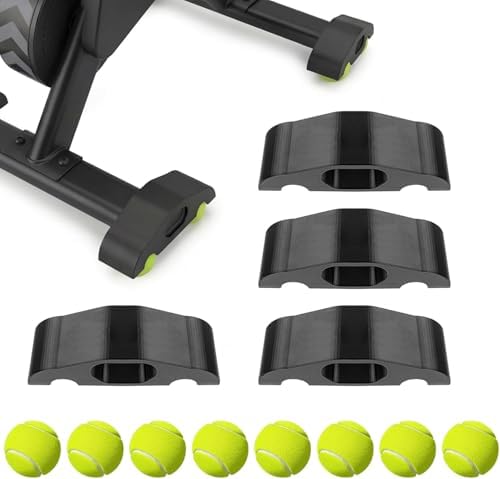
- 𝗖𝗼𝗺𝗽𝗮𝘁𝗶𝗯𝗶𝗹𝗶𝘁𝘆: Only works with Wahoo Kickr Core 2
- 𝗥𝗲𝗮𝗹𝗶𝘀𝘁𝗶𝗰 𝗖𝗼𝗺𝗳𝗼𝗿𝘁 𝘄𝗶𝘁𝗵 𝗧𝗶𝗿𝗲-𝗟𝗶𝗸𝗲 𝗕𝗼𝘂𝗻𝗰𝗲: Provide just enough bounce to mimic outdoor tire feel, reducing knee/hip pressu…
- 𝗗𝘆𝗻𝗮𝗺𝗶𝗰 𝗥𝗼𝗰𝗸𝗶𝗻𝗴 𝗳𝗼𝗿 𝗖𝗼𝗿𝗲 & 𝗕𝗮𝗹𝗮𝗻𝗰𝗲:A: A subtle 10° rocking motion lets you shift naturally, engaging core muscles and im…
Tacx Flux S Smart Trainer
Garmin acquired Tacx and the Flux S benefits from that engineering investment. The wheel-on design is easier to set up than direct drive trainers without significant performance compromise. The power accuracy is rated to plus or minus three percent and the maximum simulated gradient of 10 percent handles most Zwift courses effectively. An excellent mid-range option for cyclists new to structured indoor training.

- Gradient simulator raises and lowers the front of your bike to replicate grades from up to 25% and down to −10% and prov…
- Dynamic fork mount allows for interactive steering when paired with compatible apps for a more realistic, engaging ride
- Built-in motion base provides more natural, smooth and responsive movement when used with Tacx NEO smart trainers
Elite Suito-T Direct Drive Smart Trainer
Elite is an Italian company with decades of turbo trainer expertise and the Suito-T is their direct drive smart trainer at a competitive price. The OTS power measurement technology provides accurate readings and the included cassette means you can connect your bike immediately without additional purchases. A solid performer that integrates well with Zwift and supports ERG mode for structured workouts.

- ZWIFT COG AND CLICK INCLUDED – Accuracy ±1% – Zwift Cog pre-installed for instant setup. Compatible 8-12 speed bike with…
- RACE MODE 10Hz – PENDANCES UP TO 18% – High frequency 10Hz data transmission (Fast Track) for instant response in virtua…
- WIFI, ANT+ & BLUETOOTH CONNECTIVITY – ZWIFT READY – Built-in WiFi for stable connection and automatic firmware updates. …
Saris H3 Direct Drive Smart Trainer
Saris is a US-based brand with strong reviews across the cycling community. The H3 provides accurate power measurement, supports simulated gradients up to 20 percent and its flywheel weight provides a realistic road feel. The compact footprint and quiet operation make it suitable for apartment use and the three-year warranty gives confidence in the long-term investment.
- ZWIFT COG AND CLICK INCLUDED – Accuracy ±1% – Zwift Cog pre-installed for instant setup. Compatible 8-12 speed bike with…
- RACE MODE 10Hz – PENDANCES UP TO 18% – High frequency 10Hz data transmission (Fast Track) for instant response in virtua…
- WIFI, ANT+ & BLUETOOTH CONNECTIVITY – ZWIFT READY – Built-in WiFi for stable connection and automatic firmware updates. …
Zwift Annual Membership Subscription
The hardware is only half of the equation. Zwift transforms indoor training from a solo slog into a social, gamified experience with virtual worlds, structured training plans, group rides and racing. The monthly or annual subscription is the software layer that makes smart trainer ownership genuinely enjoyable. Events including the WTRL Team Time Trial and Zwift Racing League provide a genuine competitive structure.

- Ample Storage: The METEOROCK password keeper book provides space for recording 288 passwords along with account details,…
- Comprehensive Sections: Beyond just passwords, our password notebook includes dedicated sections for Emergency Contacts,…
- User-Friendly Features: The password book with alphabetical tabs make navigating through your passwords a breeze, making…
Buying Guide
Direct drive versus wheel-on: direct drive is quieter, more accurate and provides a better road feel. Wheel-on trainers are cheaper and easier to switch between bikes. For regular training, direct drive is worth the investment.
Flywheel weight determines how realistic the road feel is. Heavier flywheels maintain momentum better through the pedal stroke. The KICKR CORE and similar premium trainers have significantly heavier flywheels than budget options.
Noise matters if you live in an apartment or share walls with neighbours. All direct drive trainers are quieter than wheel-on trainers. Add a trainer mat to reduce vibration transmission to the floor.
A dedicated training bike is worth considering for regular users. Constantly swapping your good road bike in and out of a trainer adds wear and setup time. A winter or training bike on the trainer permanently simplifies the routine.
ERG mode is the killer feature for structured training. When following a training plan, ERG mode automatically adjusts resistance to maintain a target power output regardless of your cadence. This removes the mental load of controlling effort and lets you focus on the work.
🚴 Related Reading
Final Thoughts
The Wahoo KICKR Core is the smart trainer most UK cyclists should buy if budget allows. The combination of accuracy, quietness and app ecosystem is unmatched at the price. For a more affordable entry point, the Elite Suito-T delivers excellent performance without compromising the training experience significantly.
Buying Guide
Indoor cycling trainers and smart turbo trainers allow UK cyclists to maintain and build fitness during the dark, wet months of British winter without needing to ride in dangerous or demoralising conditions. Smart trainers with direct drive or wheel-on configurations connect to Zwift, TrainerRoad and other platforms to deliver structured training sessions, virtual group rides and race simulations that replicate outdoor effort with precise watt measurement and adjustable resistance.
| Factor | What to Look For |
|---|---|
| Smart vs Basic Trainer | A basic turbo trainer provides fixed resistance and captures no data; a smart trainer measures and controls resistance in real time, responding to virtual terrain or training programme commands. For any cyclist following a structured training plan or using Zwift, a smart trainer is essential. The Wahoo KICKR Core (around £600), Tacx Flux S (around £500) and Saris H3 (around £700) are the most popular smart trainer options among UK cyclists for their combination of accuracy, noise levels and platform compatibility. |
| Direct Drive vs Wheel-On | Direct drive trainers (Wahoo KICKR, Tacx NEO) accept the bike without the rear wheel, mounting directly to the rear dropout. They are more accurate (±1 to 2% power accuracy), more stable and significantly quieter than wheel-on trainers because there is no tyre-to-roller contact. Wheel-on trainers (Tacx Vortex, Saris Fluid2) cost £150 to £350 less and retain the rear wheel for easy transitioning between indoor and outdoor riding, but wear tyres faster and have lower power accuracy (±5 to 10%). For serious winter training programmes, direct drive is the recommended investment. |
| Noise and Vibration | Noise is the primary practical constraint for UK cyclists using trainers in flats, semi-detached houses or shared accommodation — common housing types in British cities where many cyclists live. Direct drive electromagnetic trainers (Wahoo KICKR, Tacx NEO 2T) are quietest; fluid trainers are acceptable; wind trainers are too loud for indoor use in most UK housing. A riser block under the front wheel and a quality trainer mat (reduces vibration transmission to floors, protecting downstairs neighbours) are both essential accessories regardless of trainer type. |
| Platform Compatibility | Zwift, TrainerRoad, Rouvy, Sufferfest (now The Sufferfest by Wahoo) and FulGaz are the dominant indoor training platforms used by UK cyclists. All modern smart trainers connect via ANT+ FE-C and Bluetooth protocols that are compatible with all major platforms. Wahoo trainers have historically offered the best integration with the Wahoo Fitness app and ELEMNT computers; Garmin Tacx trainers integrate seamlessly with Garmin training platforms. Confirm which platform subscription you intend to use before purchasing, as some platforms offer bundled trainer deals. |
| Axle Compatibility | Modern bikes use various rear axle standards: quick release (QR 5mm), 12x142mm thru-axle, 12x148mm Boost thru-axle and others. Most direct drive trainers include adaptors for QR and 12x142mm; 12x148mm Boost (common on modern MTBs and some gravel bikes) requires a specific adaptor that is often sold separately. Confirm the trainer’s included adaptor set covers your bike’s axle standard before purchasing — buying a £600 trainer and discovering it needs a £30 adaptor before first use is a frustrating and entirely avoidable experience. |