
⚠️ Affiliate Disclosure: BuyCycleWorld.com is a participant in the Amazon Associates Programme, an affiliate advertising programme designed to provide a means for sites to earn advertising fees by advertising and linking to Amazon.co.uk. When you click our links and make a purchase, we may earn a small commission at no extra cost to you. This helps us keep the site running and the reviews coming. We only recommend products we genuinely believe in.

Endurance cycling places significant demands on the body and targeted supplementation — beyond basic nutrition — can support performance, recovery and long-term health. Here is an evidence-based guide to the cycling supplements that have the most consistent research support for endurance athletes in the UK.
Top Picks
Informed Sport Certified Creatine Monohydrate
Creatine monohydrate has more research support than any other performance supplement. For cycling, it supports high-intensity sprint efforts, accelerates recovery between hard sessions and may reduce muscle damage during prolonged efforts. Look specifically for Informed Sport certified products to ensure the supplement is tested for banned substances — important for competitive cyclists.
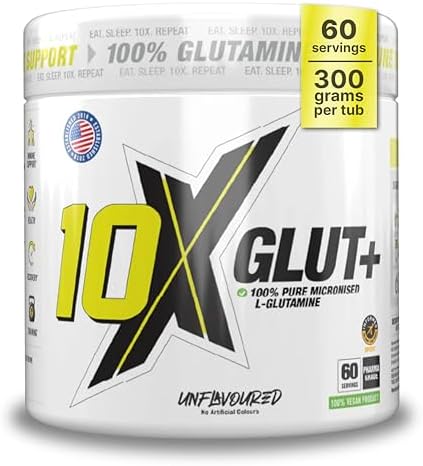
- Premium Recovery Support with Pure L-Glutamine – Each 5g scoop of 10X GLUT+ delivers 100% pure, micronized L-Glutamine—t…
- 60 Servings of High-Quality Muscle Fuel – With 300g per container and 60 individual servings, this vegan-friendly formul…
- Supports Gut and Immune Health – L-Glutamine plays a vital role in maintaining a healthy immune system and supporting gu…
Vitamin D3 Supplement UK
Vitamin D deficiency is endemic in the UK population due to limited sunlight hours and cyclists — despite spending significant time outdoors — often have low levels because most cycling clothing blocks UVB radiation. Supplementing 1,000 to 2,000 IU daily throughout the UK autumn and winter supports immune function, bone health and muscle function. A foundational supplement for UK cyclists.
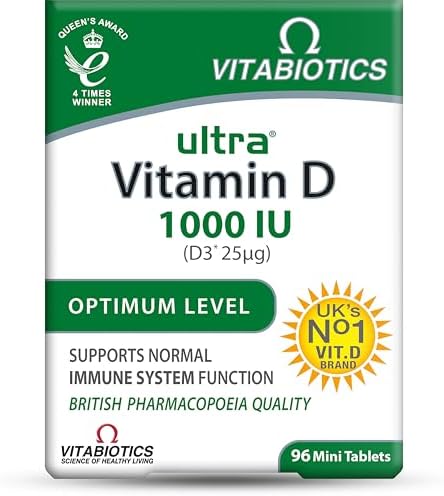
- Vitamin D plays a truly remarkable role in the body and is important for many areas of health
- Ultra(TM) Vitamin D provides effective levels of the preferred form of vitamin D3 (cholecalciferol)
- Easy Swallow Size
Omega-3 Fish Oil Capsules
High-dose omega-3 fish oil supplementation reduces exercise-induced inflammation, supports cardiovascular health and may improve oxygen delivery during sustained aerobic exercise. Look for products providing at least 1g combined EPA and DHA daily. Higher quality fish oils use triglyceride form rather than ethyl ester for better absorption.

- HIGH-QUALITY OMEGA 3 FISH OIL – New Leaf’s Omega-3 Fish Oil Softgels provide 2000mg of Omega-3 fatty acids per serving, …
- SUPPORTS HEART HEALTH – Our high strength omega 3 contributes to the normal function of the heart with a daily intake of…
- PROMOTES BRAIN FUNCTION AND VISION – Omega 3 DHA contributes to normal brain function and helps maintain normal vision, …
Magnesium Glycinate Supplement
Magnesium is depleted through sweat and plays a key role in muscle function, energy production and sleep quality. Many endurance athletes are marginally deficient. Magnesium glycinate is the most bioavailable form and causes less GI disturbance than cheaper magnesium oxide supplements. Taking it before bed also supports sleep quality — a key recovery variable.
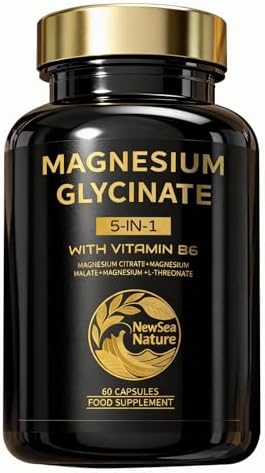
- 【Advanced 5-in-1 Magnesium Fusion with Vitamin B6】:Unlock full-body wellness with our scientifically blended four high-b…
- 【Deep Sleep & Restorative Relaxation】:Magnesium Glycinate (the “calming magnesium”) gently quiets a busy mind, eases str…
- 【Muscle Recovery & Tension Relief】:Essential for athletes and active lifestyles, this magnesium complex soothes occasion…
Beetroot Juice Concentrate for Endurance
Dietary nitrate from beetroot juice improves oxygen efficiency in endurance exercise. Multiple studies show meaningful improvements in time trial performance and time to exhaustion. The effect is most pronounced at lower intensities and at altitude. The concentrated shot format (typically 70ml) is more convenient than drinking full beetroot juice and provides a standardised dose of nitrate.

- 1️⃣ 300MG NATURAL NITRATES Each 60ml shot delivers 300mg naturally occurring nitrates from beetroot to support nitric ox…
- 2️⃣ 100% COLD-PRESSED JUICE Made from fresh cold-pressed beetroot, not powders or concentrates, helping retain natural f…
- 3️⃣ 30 SHOTS PER PACK Each box contains 30 x 60ml shots, providing a convenient 30-day supply and better value than most…
Buying Guide
Only consider supplements that have robust, consistent peer-reviewed evidence. The supplement industry is full of products with weak or no evidence. Creatine, caffeine, vitamin D and beetroot nitrate have the strongest evidence bases for endurance athletes.
Third-party testing is essential for competitive cyclists. Informed Sport and NSF Certified for Sport labels indicate the product has been independently tested for banned substances. An inadvertent doping violation from a contaminated supplement carries the same penalty as deliberate doping.
Supplements work on top of — not instead of — a complete dietary foundation. Protein, carbohydrate, fat and micronutrients from whole food should be the priority. Supplements address specific gaps, not foundational nutrition.
Caffeine is the most widely used and effective endurance supplement. Three to six milligrams per kilogram of bodyweight taken 45 to 60 minutes before a hard effort consistently improves performance. Your morning coffee counts.
Individual response varies significantly. Start with one supplement at a time, allow several weeks at consistent dosage before assessing effect, and track your training data objectively. Placebo effect is powerful in this area — use data, not feelings, to evaluate effectiveness.
🚴 Related Reading
Final Thoughts
Vitamin D and omega-3 provide the best health and performance return for most UK cyclists. Add creatine for high-intensity training support and beetroot juice on race or hard training days. Build on a foundation of excellent whole food nutrition before reaching for supplements.
Buying Guide
Endurance cycling supplements are evidence-based compounds that, when added to an adequate diet, improve aerobic performance, delay fatigue, enhance recovery or support general health in UK cyclists. The most effective supplements — caffeine, creatine, nitrates, sodium bicarbonate and protein — have robust research support across thousands of peer-reviewed studies; others have weak or no evidence. Understanding which supplements genuinely work prevents wasted spending on products with marketing-heavy but evidence-light claims.
| Factor | What to Look For |
|---|---|
| Evidence Quality | Prioritise supplements with Tier 1 evidence from multiple randomised controlled trials in trained cyclists or endurance athletes. Caffeine, creatine monohydrate, dietary nitrates (beetroot juice), protein and vitamin D are in this category. Beta-alanine has Tier 1 evidence for efforts lasting 1 to 10 minutes but less clear benefit for the longer durations of typical UK sportive riding. Avoid supplements with only animal studies, case reports or manufacturer-funded trials as the primary evidence base. |
| Certification and Safety | UK cyclists competing under British Cycling or UCI anti-doping rules must use supplements certified by Informed Sport or Informed Choice, which test batches for prohibited substances. Contaminated supplements have caused inadvertent doping violations among UK cyclists; no uncertified supplement is worth the career or competition risk. Informed Sport certification does not guarantee efficacy but does provide confidence that the product does not contain a prohibited substance at a detectable level. |
| Dosing Practicality | Supplements requiring complex timing protocols or multiple daily servings are harder to integrate consistently into a training routine. Creatine (5g daily, any time with food) and protein (20 to 40g post-exercise) are simple to dose. Caffeine (3 to 6mg/kg, 45 to 60 minutes pre-exercise) requires timing relative to training but is widely understood. Nitrates (dietary, via 500ml concentrated beetroot juice or 70ml shots) should be consumed 2 to 3 hours before training — a manageable protocol for most UK cyclists. |
| Cost-Effectiveness | Compare the cost per dose of effective supplements against the performance benefit delivered. Creatine monohydrate (£15 to £25 per 500g, providing 100 servings of 5g) is among the most cost-effective performance supplements available. Caffeine tablets (200mg, around £4 for 30 tablets) are more economical than caffeinated gels for pre-training use. Avoid proprietary blends with multiple underdosed ingredients at high prices — single-ingredient products from reputable brands (MyProtein, Optimum Nutrition, Bulk) provide better value than exotic branded formulas. |
| Individual Response | No supplement works uniformly across all individuals. Caffeine responders and non-responders are partly genetically determined by the CYP1A2 gene variant affecting caffeine metabolism speed. Creatine non-responders (approximately 25% of the population) experience minimal performance benefit because their baseline muscle phosphocreatine is already near saturation. Nitrate responders vary by training status — highly trained cyclists show smaller nitrate response than recreational riders. Test individual supplements in training before relying on them in a key UK sportive or race. |