
⚠️ Affiliate Disclosure: BuyCycleWorld.com is a participant in the Amazon Associates Programme, an affiliate advertising programme designed to provide a means for sites to earn advertising fees by advertising and linking to Amazon.co.uk. When you click our links and make a purchase, we may earn a small commission at no extra cost to you. This helps us keep the site running and the reviews coming. We only recommend products we genuinely believe in.

A cycling base layer is the foundation of your cold-weather kit. Its job is to move sweat away from your skin so you stay dry and avoid the chilling effect that comes from damp fabric against your body. Get the base layer right and everything on top works better.
Top Picks
Castelli Pro Mesh Base Layer
Castelli’s mesh base layer is chosen by WorldTour riders because it manages moisture without adding insulation. The open mesh structure creates an air gap between skin and jersey, allowing sweat to transport outward. Counterintuitively this trapped air also provides a small amount of insulation. Used from 10-20 degrees.

Gore Wear M Thermal Base Layer
Gore’s M Base Layer is a mid-weight thermal option for 0-10 degrees Celsius. The brushed inner feels soft against skin and traps warmth while the outer face wicks moisture toward the jersey above. Excellent for UK winter training and spring rides when mornings are still cold.
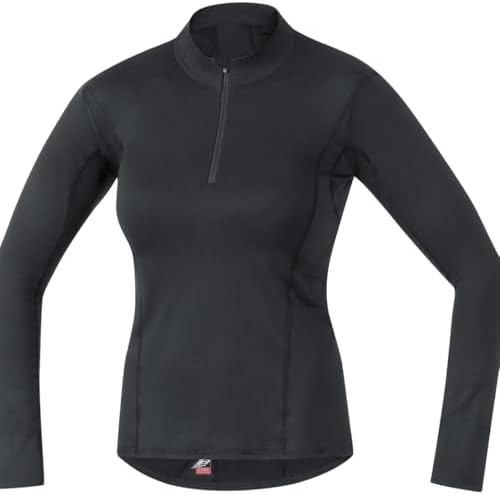
Endura BaaBaa Merino Base Layer
Merino wool base layers are prized for their ability to regulate temperature across a wide range and resist odour during multi-day touring. Endura’s Merino base layer blends Australian Merino with nylon for durability. Comfortable from 5-15 degrees and can be worn multiple days without smelling.

Rapha Core Base Layer
Rapha’s Core base layer emphasises moisture management over pure insulation. The lightweight construction works under a jersey from 10 degrees upward, and the long cut prevents it riding up when bent over in the cycling position. A classic choice for sportive riders.
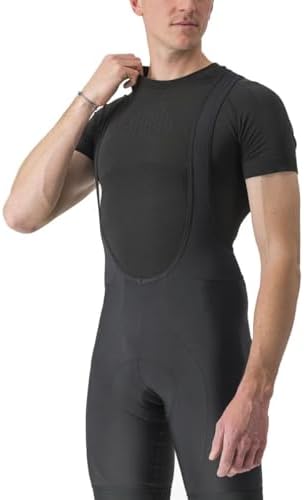
INBIKE Winter Thermal Base Layer
For riders wanting a functional winter base layer without premium pricing, INBIKE delivers. The fleece-lined interior is genuinely warm from -5 to 8 degrees. The longer sleeve length ensures no gap between gloves and sleeve on cold days.

Buying Guide
Match base layer weight to your riding intensity as much as your temperature conditions. Hard efforts generate significant heat – a thermal base layer that keeps you warm on easy spins will leave you soaked on a hard climb.
Fit should be close to the skin but not compressive. A base layer that is too loose does not effectively wick moisture away from the skin surface. Too tight and it restricts breathing over long rides.
Seam placement matters in cycling. Avoid base layers with seams on the back that will press against jersey pockets, or side seams that chafe under bib short waistbands.
🚴 Related Reading
Final Thoughts
A quality cycling base layer is the most underrated piece of cold-weather kit. Get this right and you can ride comfortably year-round – the base layer is the difference between arriving at a destination feeling fresh or shivering through a soggy jersey.
Buying Guide
Cycling base layers are close-fitting garments worn directly against the skin under a jersey. Their primary function is moisture management — wicking sweat away from the skin and maintaining a dry microclimate that reduces chill when the body stops generating heat (at rest stops or on descents). The right base layer extends the comfort range of other garments significantly.
| Factor | What to Look For |
|---|---|
| Material | Merino wool regulates temperature naturally and resists odour — ideal for multi-day touring and variable conditions. Synthetic (mesh, polyester) wicks faster and dries more quickly — better for high-intensity training. Merino/synthetic blends combine both properties. |
| Mesh vs solid | Open mesh base layers trap a warm air layer and wick aggressively — best for cold, dry conditions. Solid knit base layers provide more wind protection. For UK all-season riding, a medium-weight solid base layer is the most versatile single option. |
| Sleeve length | Sleeveless: summer under a jersey. Short-sleeve: spring/autumn versatility. Long-sleeve: winter under a jersey and jacket. A long-sleeve base layer replaces arm warmers in cold conditions and pairs with a summer jersey when a lightweight jacket is added. |
| Fit | Base layers should be very close-fitting to function correctly — loose base layers bunch under a jersey and lose their moisture-management properties. A fit that appears very tight off the bike is typically correct when in a cycling position. |
| Weight | Lightweight (summer) to heavyweight (winter). A mid-weight long-sleeve merino base layer covers 5–15°C effectively. Below 5°C, a heavyweight thermal base layer is needed. Above 15°C, a sleeveless or no base layer is usually preferable. |