
⚠️ Affiliate Disclosure: BuyCycleWorld.com is a participant in the Amazon Associates Programme, an affiliate advertising programme designed to provide a means for sites to earn advertising fees by advertising and linking to Amazon.co.uk. When you click our links and make a purchase, we may earn a small commission at no extra cost to you. This helps us keep the site running and the reviews coming. We only recommend products we genuinely believe in.

Finding cycling shoes for wide feet is one of the most frustrating experiences in cycling retail. The wrong shoe creates hot spots, numbness and pain that can end a sportive prematurely. The right wide-fit shoe provides the power transfer of a stiff sole without the agony of a compressed forefoot.
Top Picks
Shimano RC702 Road Cycling Shoe
Shimano is known for producing shoes in wider widths than most European brands. The RC702 uses Boa L6 dial closure allowing micro-adjustment for swollen feet on long rides. The carbon-composite sole provides adequate stiffness for road riding without the rigidity that causes hot spots. A trusted choice for UK club cyclists.

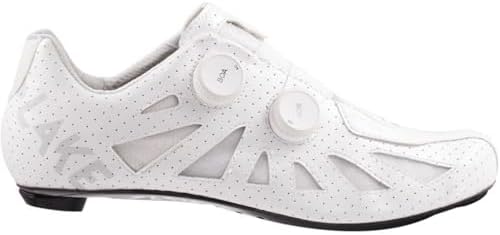
Lake CX241 Wide Road Shoe
Lake is the go-to brand for wide-feet road cyclists – they produce more wide-fit options than any other manufacturer. The CX241 is a premium offering with carbon sole and Boa closure. Unlike other brands that are simply less narrow, Lake builds genuine anatomical width into their lasts. Available in specific wide width.
Shimano ME702 MTB Shoe
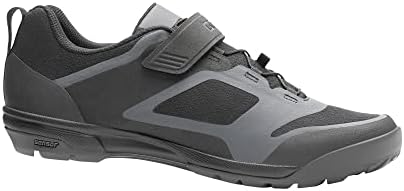
For mountain bikers and gravel cyclists with wide feet, the Shimano ME702 offers the brand’s wide-fit tradition in a two-bolt SPD sole. The recessed cleat allows comfortable walking at cafe stops and the grippy rubber outsole provides traction when shouldering the bike.

Giro Rincon MTB Shoe
Giro’s Rincon is a gravel and MTB shoe with a wider, more relaxed fit than their road options. The SuperNatural Fit footbed with anatomical arch support distributes pressure evenly – particularly beneficial for wider feet that develop pressure points under the metatarsals on long rides.
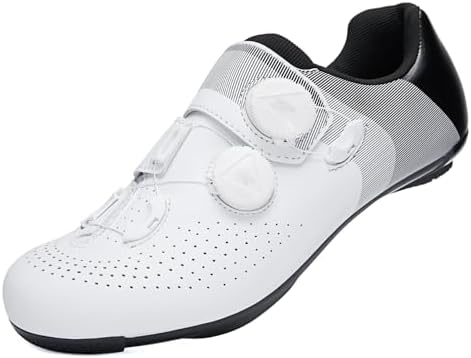
Wide Fit Road Cycling Shoes
If branded wide-fit options exceed your budget, search specifically for wide-fit cycling shoes on Amazon UK. Look for explicit W or 2E designations and prioritise verified purchaser reviews from riders with similar foot width. Budget wide-fit options exist but quality varies considerably.
Buying Guide
Measure your feet properly before buying cycling shoes – trace both feet on paper and measure the widest point across the ball of the foot. Many cyclists find their cycling shoe size differs from their street shoe size.
Look for brands with explicit wide designations rather than those vaguely described as roomy. Lake is the UK benchmark for genuine wide-fit road cycling shoes.
The closure system matters for wide feet. Boa dials allow micro-adjustment as your foot swells during long rides. Traditional laces allow the most customisation but require readjustment mid-ride.
🚴 Related Reading
Final Thoughts
Cyclists with wide feet should never accept discomfort. Genuine wide-fit options from Shimano and Lake provide both performance and comfort. Invest time in measuring accurately and shortlist only brands with genuine wide-width designations.
Buying Guide
Cycling shoes for wide feet address one of the most common fit issues in the sport — standard cycling shoe lasts are designed for a narrow, tapered foot shape, causing pressure and discomfort for riders with wider forefeet or a higher instep. Wide-fit options use a broader toe box, higher volume upper and different last geometry to accommodate wider feet without sacrificing stiffness or power transfer.
| Factor | What to Look For |
|---|---|
| Last width | Look for shoes explicitly labelled “wide”, “wide fit” or “EEE”. Shimano, Bont and Bontrager offer dedicated wide-fit ranges. Standard width D/EE shoes are inappropriate for feet significantly wider than average and cause numbness on long rides. |
| Upper material | Mesh uppers are more accommodating of wider feet and more forgiving than stiff synthetic leather. A stretchy mesh toe box is particularly important for wide-footed riders. Velcro closures allow more volume adjustment than BOA dials at the standard width setting. |
| Closure system | BOA dials allow precise micro-adjustment for different foot swelling levels (feet swell during long rides). Multiple BOA dials (two or more) spread the closure force more evenly across a wider foot. |
| Stiffness index | A higher stiffness index improves power transfer. For wide-footed riders, prioritise fit over stiffness initially — a perfectly fitting medium-stiffness shoe outperforms a poorly fitting stiff shoe for both power and comfort. |
| Cleat compatibility | Road shoes use 3-bolt cleats (SPD-SL, Look Keo, Speedplay). MTB and gravel shoes use 2-bolt SPD cleats and can be walked in more easily. Confirm cleat compatibility with your existing pedal system before purchasing. |