
⚠️ Affiliate Disclosure: BuyCycleWorld.com is a participant in the Amazon Associates Programme, an affiliate advertising programme designed to provide a means for sites to earn advertising fees by advertising and linking to Amazon.co.uk. When you click our links and make a purchase, we may earn a small commission at no extra cost to you. This helps us keep the site running and the reviews coming. We only recommend products we genuinely believe in.

Good cycling sunglasses do much more than block sun. They protect your eyes from debris, insects, wind and UV radiation – all genuine hazards on UK roads, even in overcast conditions. The right pair enhances contrast and reduces eye fatigue on long rides.
Top Picks
Oakley Jawbreaker Cycling Sunglasses
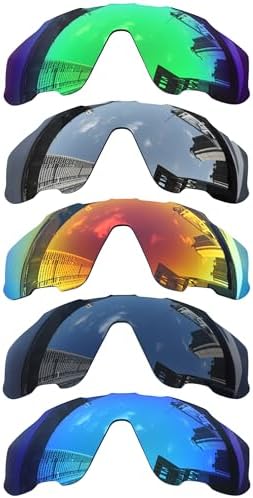
The Oakley Jawbreaker has become synonymous with professional road cycling. The oversized lens provides maximum coverage while Prizm Road lens technology enhances contrast on tarmac surfaces, making it easier to spot potholes and road texture changes. Lenses swap without tools to switch between light conditions.
100% Hypercraft Cycling Sunglasses
100% has become one of the most popular cycling eyewear brands. The Hypercraft achieves featherlight weight without sacrificing coverage. HiPER lens technology enhances colour and contrast across changing light conditions – particularly useful for the variable brightness of UK riding throughout the day.

Shimano CE-S70X Cycling Glasses
Shimano’s cycling glasses use a photochromic lens that adjusts automatically from Category 1 to Category 3 – particularly useful in the UK where cloud cover changes frequently throughout a ride. Anti-slip nose and temple pads keep the glasses in place during climbs and hard efforts.

- Tokyo 2 Glasses, Matte Black, RideScape High Contrast Lens
Rudy Project Road Cycling Sunglasses
Italian brand Rudy Project is the eyewear choice of many WorldTour teams. Their Impactx Photochromic lens reacts faster than most competitive lenses, completing the transition from light to dark in under 30 seconds. The Rydon frame profile provides excellent peripheral coverage.

- Defender Matte Black / Olive Orange Stripes – Olive Multilaser Orange Rudy Project Unisex Adult
Bolle Cycling Sunglasses UV400
Bolle cycling sunglasses represent outstanding value in performance eyewear. A wide lens profile provides debris protection, anti-fog coating prevents misting during high-output efforts, and the UV400 protection exceeds the minimum standard for genuine ultraviolet protection.

- 【UV400 UV Protection, Anti-Glare】High-density Revo-coated HD lenses can block 100% of harmful UVA and UVB rays, eliminat…
- 【Lightweight and Comfortable】The 26g rimless bike sunglasses have soft rubber nose pads and rubber ear pads, which ensur…
- 【High Quality】The 1.2mm thick lenses are made of shatterproof TAC material and the temples are made of high-quality TR90…
Photochromic Cycling Glasses
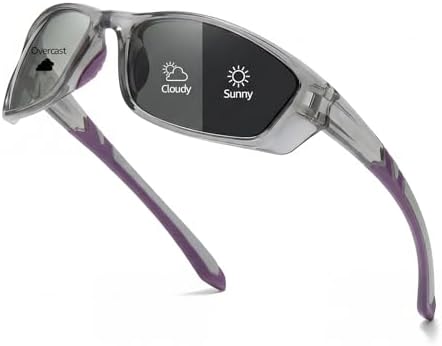
For riders who want one pair adapting to all light conditions, a quality photochromic cycling glass is the solution. Look for genuine photochromic technology adjusting across at least three categories, UV400 protection, and a wrap frame covering peripheral vision.
Buying Guide
Lens category matters for UK riding. Category 0 or 1 suits overcast conditions common in UK winters. Category 2 is the everyday UK cycling standard. Category 3 is for full summer sun. A photochromic lens covering Category 1-3 is the most versatile single purchase.
Fit must be stable enough to prevent glasses slipping down your nose on descents when sweat builds up. Look for adjustable nose pads and rubber-grip temple tips. Test by shaking your head vigorously – they should not move.
Frame coverage around the eye affects both protection and performance. A wrap-around frame blocks more wind and debris on fast descents. Smaller fashion-style frames leave gaps that allow debris and insects to reach your eyes.
🚴 Related Reading
Final Thoughts
Eye protection is non-negotiable on UK roads. Even on overcast days, UV radiation, road debris and insects are a genuine hazard. Invest in quality lenses with UV400 protection and a fit that stays in place at speed.
Buying Guide
Cycling sunglasses serve multiple functions beyond UV protection: blocking wind, deflecting insects, preventing eye fatigue from glare, and in some cases providing ballistic protection against road debris. The best cycling sunglasses combine optical clarity with a secure, stable fit that does not move during hard efforts or on rough terrain.
| Factor | What to Look For |
|---|---|
| Lens quality | Polycarbonate lenses are the cycling standard — lightweight, impact-resistant and optically clear. Check for distortion-free optical quality — cheaper lenses cause eye strain on long rides. UV400 protection (blocks 99%+ of UVA and UVB) is essential. |
| Lens tint | Photochromic (variable tint) lenses adapt to changing light conditions — ideal for UK’s variable light. Category 2 (35-40% light transmission) suits UK overcast conditions. Category 3 (15-25%) for bright summer days. Clear lenses for low-light and night riding. |
| Fit and retention | Rubber nose pads and temple grips prevent slipping when sweating. The frame should sit comfortably under a helmet — check compatibility with your specific helmet model. Ventilated lenses prevent fogging on climbs. |
| Coverage | Larger wrap-around lenses provide more wind protection and peripheral coverage. Smaller frames are more stylish off the bike. For road cycling in windy conditions or at speed, maximum lens coverage is preferable. |
| Interchangeable lenses | Multiple lens options (clear, tinted, photochromic) in the same frame add versatility. Many quality brands (Oakley, Rudy Project) offer lens replacement programmes to update tint or prescription. |