
⚠️ Affiliate Disclosure: BuyCycleWorld.com is a participant in the Amazon Associates Programme, an affiliate advertising programme designed to provide a means for sites to earn advertising fees by advertising and linking to Amazon.co.uk. When you click our links and make a purchase, we may earn a small commission at no extra cost to you. This helps us keep the site running and the reviews coming. We only recommend products we genuinely believe in.

Wild camping by bicycle — pitching a lightweight tent at a remote loch, a Highland bothy or a wild spot in the Peak District — is one of the most satisfying experiences in cycling. The challenge is carrying a tent that is light enough not to slow you down but robust enough for UK weather. Here are the best cycling tents for bikepacking in the UK.
Top Picks
Terra Nova Laser Competition Ultra Tent
Terra Nova is a UK manufacturer with an outstanding reputation for lightweight, bombproof mountain tents. The Laser Competition Ultra weighs under 1kg — remarkable for a tent capable of handling Scottish mountain weather. The single-pole design pitches in minutes and the Laser Lite material is genuinely waterproof even in driving horizontal rain. The benchmark bikepacking tent for serious UK adventurers.
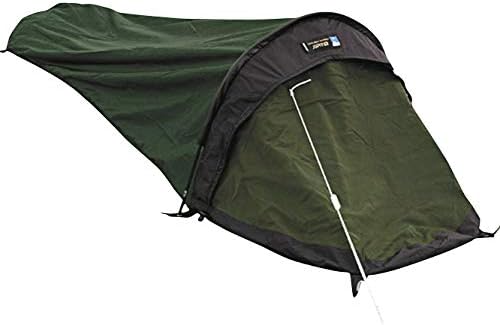
- Terra Nova Jupiter Lite Bivi Tent One Size Green
- Brand: Terra Nova
- Product type: SPORTING GOODS
MSR Hubba Hubba Bikepack 2-Person Tent
MSR designed the Hubba Hubba Bikepack specifically for cyclists, with a vestibule large enough to store bags and wheels and a footprint designed to fit in tight wild camping spots. The Easton Syclone poles handle wind loads well and the waterproof coating is rated for genuine all-weather performance. An excellent two-person option for couples touring together.

- Built for adventurers who don’t want to compromise comfort with livability, the Hubba Hubba LT delivers essential featur…
- True rectangular floor plan and nearly vertical walls fit modern, thick rectangular sleeping pads with ease, even those …
- Mostly mesh body is incredibly breathable, minimizing overnight condensation, and includes a gear loft, end pockets with…
Big Agnes Copper Spur HV UL1 Tent
Big Agnes makes some of the most innovative ultralight tents available and the Copper Spur HV UL1 delivers exceptional interior volume for its weight. The double-wall design provides condensation management that single-wall shelters struggle to match and the two-door design with vestibules provides functional storage for cycling kit. An outstanding solo touring tent.
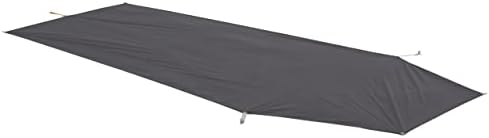
- TENT COMPATIBILITY – Pitch with the Fly Creek HV UL Bikepack Solution Dye tent with TipLok tent buckles. *Is not compati…
- The Big Agnes footprint also enables you to pitch a lightweight, Fast Fly shelter while leaving the tent body behind. Th…
- Weight: 5 oz.
Alpkit Rig 3.5 Tarp Shelter
Alpkit is a UK outdoor brand that offers excellent products at accessible prices. The Rig 3.5 tarp provides a flexible shelter system — use it in pyramid configuration, open lean-to or closed cocoon depending on conditions. Weighs under 600g and packs extremely small. Requires trekking poles or a bike pump propped up for support. An outstanding option for experienced wild campers comfortable with tarp setups.
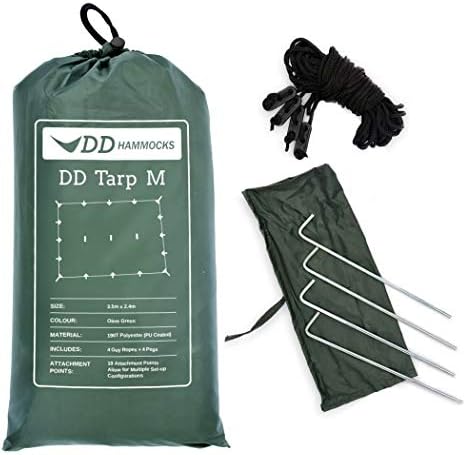
- STORMPROOF: Strong & lightweight 190T Polyester; fully seam-taped with 3,000mm-rated waterproof PU coating.
- UV PROTECTION: UV50+ rated material provides protection against 98% of UVA and UVB rays.
- VERSATILE: 19 reinforced attachment points provide opportunties for multiple set-ups; on the ground or suspended between…
Wild Country Turas 1 Tent
Wild Country is another British tent manufacturer with deep experience in mountain conditions. The Turas 1 is a genuinely affordable solo tent that does not compromise on waterproofing or pole quality. The compact packed size fits easily in a bikepacking seat pack and the solid construction handles the weather UK highlands regularly throw at cyclists.

- Spacious two-person interior with excellent headroom. Dual side-entry doors with two porches for gear storage and access…
- Free-standing design for stability on any terrain. Trail Best Value Award Winner for outstanding performance.
- Max Weight – 2.48kg, Min Weight – 2.24kg, Packed size – 32cm x 20cm
Buying Guide
Weight is the primary concern for bikepacking. Every 100g extra weight represents real fatigue on hilly UK routes. Target a packed tent weight of 1 to 1.5kg maximum for solo touring.
Pitch time matters when you arrive at camp cold and tired. Freestanding tents pitch faster than tarp systems. If you are new to wild camping, a freestanding tent is more forgiving.
Scotland has unrestricted wild camping rights under the Land Reform Act 2003. England and Wales have more limited rights. Know the access law for your planned route before pitching.
Vestibule space is important for cycling kit. You need somewhere to store wet gear, panniers and sometimes your bike during bad weather. A tent with generous vestibules significantly improves camp life.
Never pitch directly on fragile vegetation or in dry riverbeds. Leave no trace principles apply to bikepacking as much as hiking. Pack out everything you bring in and leave the camp spot cleaner than you found it.
🚴 Related Reading
Final Thoughts
Terra Nova makes the best lightweight tents for UK conditions — the Laser Competition Ultra is the benchmark for serious bikepacking. For cyclists on a tighter budget, the Wild Country Turas 1 delivers solid performance at a fraction of the cost and will handle what UK weather throws at it.
Buying Guide
A cycling tent for bikepacking must be light enough to carry in a saddle bag or handlebar roll, pack down small, erect quickly in fading light after a long day on the bike, and withstand the wind, rain and cold of wild camping across the UK’s highland, moorland and coastal environments. Weight and packed volume are the primary constraints that distinguish bikepacking tents from general backpacking tents.
| Factor | What to Look For |
|---|---|
| Weight | The optimal weight for a bikepacking tent carried in a saddle bag is under 1.2kg for a solo tent or under 1.8kg for a two-person design. Ultralight tents (under 800g) achieve this through single-wall construction or the use of trekking poles as tent poles — important for bikepackers who may not carry trekking poles. Three-season double-wall tents in the 1.0 to 1.4kg range represent the best balance of weight, condensation management and structural performance for UK wild camping conditions. |
| Packed Volume | A bikepacking tent should pack to a volume under 3.5 litres to fit within a handlebar roll or saddle bag alongside other kit. Ultralight tents with DCF (Dyneema Composite Fabric) or silnylon flysheets achieve 2 to 3 litres packed volume. Standard polyester flysheet tents pack to 4 to 6 litres, requiring a larger bag or compression sack. Stuffing tents loose into a bag rather than rolling them reduces the minimum packed size and extends fabric life by avoiding repeated fold creases. |
| Weather Resistance | A minimum flysheet hydrostatic head of 3,000mm and groundsheet of 5,000mm provides adequate weather resistance for UK summer and autumn conditions. For Scottish Highlands or winter wild camping, 5,000mm+ flysheet and 8,000mm+ groundsheet are recommended given the potential for horizontal rain and standing water on moorland pitches. Guy lines with reflective cord and a full set of pegs included in the packed weight are essential for the exposed, windswept pitches common on UK moorland and mountain terrain. |
| Inner Volume and Livability | Bikepackers spend less time in the tent than backpackers but need to sit up comfortably to change, eat and manage kit in poor weather. A peak height of at least 90 to 100cm and a vestibule large enough for boots and a small daypack keeps wet gear out of the sleeping area. Single-wall tents sacrifice inner volume to save weight; double-wall designs provide more condensation-free interior space. For extended UK touring, a vestibule large enough to cook in on a rainy evening is a comfort feature worth the small weight penalty. |
| Pitch Speed and Simplicity | After eight hours in the saddle approaching darkness, a tent that pitches in under five minutes is significantly more valuable than a 45-minute complex pitch. Free-standing designs with colour-coded pole sleeves and integrated clip points pitch fastest; non-freestanding designs requiring careful guy line positioning take longer but are lighter. Familiarity counts — practice pitching your tent at home before a tour so the sequence is automatic in the dark. |