
⚠️ Affiliate Disclosure: BuyCycleWorld.com is a participant in the Amazon Associates Programme, an affiliate advertising programme designed to provide a means for sites to earn advertising fees by advertising and linking to Amazon.co.uk. When you click our links and make a purchase, we may earn a small commission at no extra cost to you. This helps us keep the site running and the reviews coming. We only recommend products we genuinely believe in.
Cycling through a British winter demands proper clothing. The combination of cold temperatures, wind chill and rain is relentless from October to March and the right layering system keeps you comfortable and safe throughout. Here are the best cycling clothing options for cold weather riding in the UK.
Top Picks
Castelli Alpha RoS 2 Light Jacket
Castelli designs cycling clothing for professional racers in the toughest conditions and the Alpha RoS 2 Light reflects this pedigree. The Gore Windstopper membrane blocks wind and light rain while remaining breathable enough for hard efforts. The form-fitting cut reduces drag and the three rear pockets with a waterproof centre zip pocket cover all your storage needs.
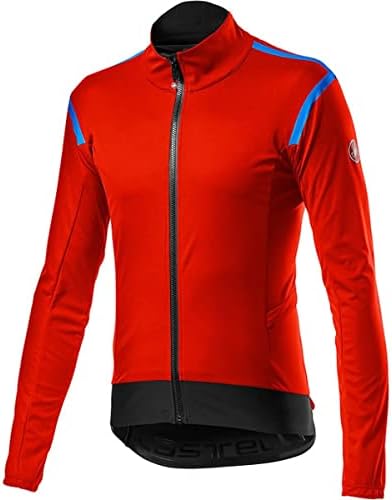
- Gore-Tex Infinium Windstopper 15 fabric for wind protection with high breathability and effective protection from rain
- Reduced and thermal seams on the shoulders reduce the possibility that the water penetrates through the seams
- PLEX XTRA DRY NANO FABRIC FLEX for greater breathability allows the heat and perspiration to pass through the fibers, wh…
Rapha Pro Team Training Bib Tights
Rapha bib tights are the choice of serious UK cyclists who ride through winter regardless of conditions. The Thermal Roubaix lining provides substantial warmth without restricting movement and the chamois quality is exceptional for long winter rides where you spend hours in the saddle. Water-repellent coating sheds light rain and the fit is excellent across a wide range of body types.

Endura MT500 Waterproof Cycling Jacket
Endura is a Scottish cycling brand with a deep understanding of what wet and cold really means. The MT500 waterproof jacket is their hardshell option — genuinely waterproof, with a longer cut for off-road riding and hand warmer pockets that are genuinely useful in cold conditions. A favourite of UK mountain bikers who ride through all weathers.
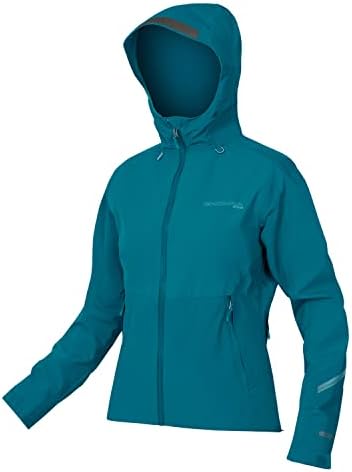
Specialized Deflect H2O Jacket
Specialized created the Deflect H2O as a year-round option that handles UK shoulder season conditions exceptionally well. The NanoFlex technology provides water repellency without a separate membrane, keeping the jacket light and packable while deflecting everything short of a sustained downpour. Excellent breathability makes it suitable for hard efforts in cool, damp conditions.

dhb Aeron Thermal Bib Tights
dhb is Wiggle’s in-house brand and the Aeron Thermal Bib Tights deliver outstanding value for UK winter riding. The thermal fleece lining provides genuine warmth on cold mornings and the chamois quality has improved significantly in recent seasons. Gripper elastic at the leg hem prevents riding up and the bib straps are comfortable under a jersey for long rides.

Buying Guide
Layering is more effective than one heavy garment. A base layer, thermal mid-layer and waterproof outer adapts to changing conditions throughout a UK winter ride as temperature and exertion level vary.
Thermal bib tights rather than shorts are essential below 10 degrees Celsius. The bib construction keeps the lower back warm and eliminates the gap between jersey and shorts that lets cold air in.
Extremities lose heat fastest. Quality winter gloves, overshoes and a thermal cap make a greater difference to comfort than upgrading your jacket. Address hands, feet and head before adding bulk to your core.
Merino wool base layers are worth the investment. The natural fibre manages moisture, provides thermal regulation and resists odour — crucial for multi-day winter touring where washing opportunities are limited.
Visibility is a safety consideration in winter. Dark, wet UK mornings and evenings reduce driver reaction time. Ensure at minimum one garment has reflective detailing and supplement with additional lights.
🚴 Related Reading
Final Thoughts
UK winter cycling demands quality kit. Castelli and Rapha lead the field for performance but dhb offers outstanding value for riders who want to ride through winter without spending a fortune. Focus on layering rather than one miracle garment and you will ride comfortably whatever the season brings.
Buying Guide
Cold-weather cycling clothing for UK conditions must manage the wide temperature swing experienced on a winter road ride — from -2 degrees Celsius at the start of a January morning ride to 8 degrees Celsius after an hour’s hard climbing, with rain and wind adding significant chill factors at any temperature. The best UK winter cycling kit uses a layering system of moisture-wicking base layers, insulating mid-layers and windproof or waterproof outer shells that can be adjusted or removed as conditions and effort level change.
| Factor | What to Look For |
|---|---|
| Base Layer Warmth and Wicking | A thermal base layer is the foundation of cold-weather cycling comfort. Merino wool (150 to 200gsm weight) is the premium choice for its natural temperature regulation, moisture management and odour resistance over multi-day rides. Synthetic thermal bases from Craft, Shimano and dhb use moisture-wicking polyester with varying degrees of brushed-fleece backing for warmth. Avoid cotton in any layer — cotton holds moisture against the skin and rapidly causes chilling, which is dangerous on UK winter descents where wind chill can drop the perceived temperature below -10 degrees Celsius. |
| Bib Tights and Leg Coverage | Thermal bib tights with a windproof front panel are the standard UK winter legwear, replacing shorts and knee warmers at temperatures below 6 to 8 degrees Celsius. Look for flatlock seams to prevent pressure points on long rides, a chamois pad appropriate for your saddle and riding duration, and silicone leg grippers that prevent the tights from riding up. Roubaix-lined (thermal fleece-backed) bib tights add significant warmth; bib longs (lower coverage, lighter) suit the transitional 8 to 12 degrees range. |
| Windproof and Thermal Jerseys | A Roubaix-lined thermal jersey or a softshell jersey with a windproof front panel significantly extends comfortable riding range into UK winter temperatures. Brushed-back jersey fabrics trap warm air while the outer face resists light wind. Back pockets must remain accessible in a riding position — frozen fingers struggle with zips, so three-pocket designs with easy one-hand access are practical for UK winter mid-ride snacking. A full-length front zip allows rapid ventilation adjustment during hard climbing efforts. |
| Gloves and Extremity Protection | Hands and feet are the first body parts to suffer in cold UK conditions. Thermal gloves with a windproof outer (dhb Windproof Thermal Glove, Castelli Estremo) are essential below 6 degrees Celsius. Below 2 degrees Celsius, lobster-claw gloves (two fingers grouped) provide substantially more warmth than traditional five-finger designs. Overshoes with neoprene construction protect feet; standard shoe covers are insufficient below 3 degrees Celsius on sustained downhills where wind chill penetrates thin materials. |
| Visibility Features | UK winter riding commonly occurs in darkness or low light, making high-visibility and reflective clothing a safety requirement rather than an optional extra. Hi-viz yellow or orange outer layers with large reflective panels on the back and arms ensure visibility from following vehicles. Front and rear bike lights are required by UK law in the dark; wearable reflective clothing provides additional passive safety that lights alone cannot guarantee. |